History
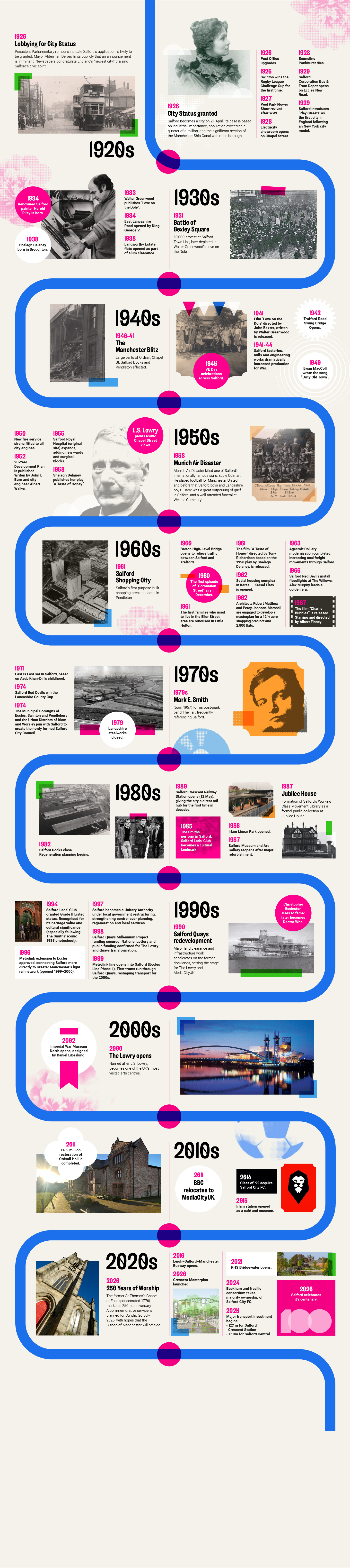
We’ve been working with history and heritage groups in the city, as well as the Local History Library to develop this Salford History Timeline.
Our aim was to create a timeline that captured the key moments of the last 100 years and this is our starting point.
As the city has such a rich and diverse heritage, there’s been a lot to cover. There’s so much important history to highlight and it’s difficult to bring every historical event into one timeline, without it becoming too big.
We want to ensure we capture the key points in our city’s history that are important to our residents. So, we’d love to get your views and to highlight to us any significant dates or events in the city’s history that you think are important and should be included.
We’ll then compile any new additions and suggestions and create an updated version of this later in the year
Lobbying for City Status
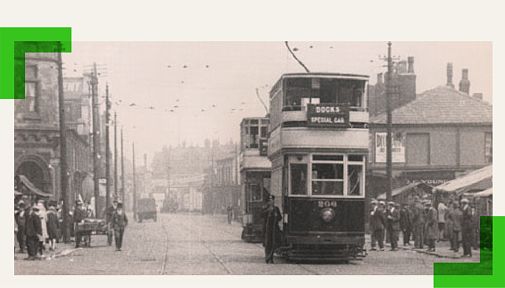
Persistent Parliamentary rumours indicate Salford’s application is likely to be granted. Mayor Alderman Delves hints publicly that an announcement is imminent. Newspapers congratulate England’s “newest city”, praising Salford’s civic spirit.
City Status granted
Salford becomes a city on 21 April. Its case is based on industrial importance, population exceeding a quarter of a million, and the significant section of the Manchester Ship Canal within the borough.
-
1926
Post Office upgrades.
-
1926
Swinton wins the Rugby League Challenge Cup for the first time.
-
1927
Peel Park Flower Show revived after WW1.
-
1928
Electricity showroom opens on Chapel Street.
-
1928
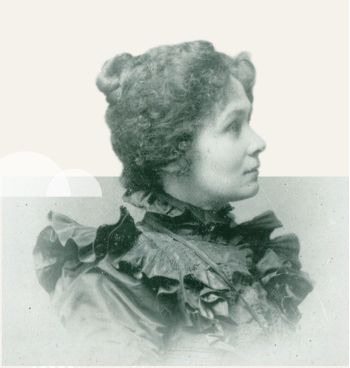
Emmeline Pankhurst dies.
-
1929
Salford Corporation Bus & Tram Depot opens on Eccles New Road.
-
1929
Salford introduces ‘Play Streets’ as the first city in England following an New York city model.
-
1933
Walter Greenwood publishes “Love on the Dole”.
-
1934
East Lancashire Road opened by King George V.
-
1938
Langworthy Estate flats opened as part of slum clearance.
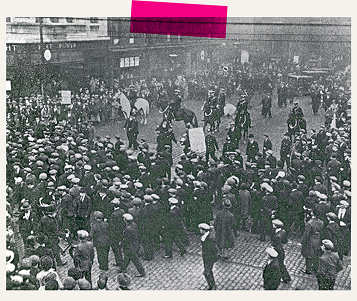
Battle of Bexley Square
10,000 protest at Salford Town Hall; later depicted in Walter Greenwood's Love on the Dole.
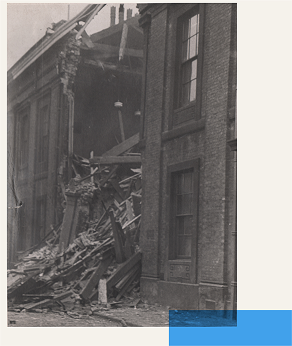
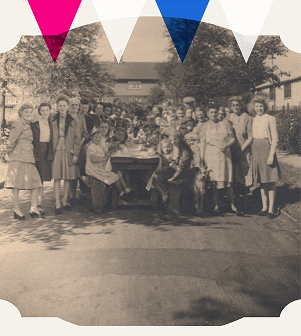
The Manchester Blitz
Large parts of Ordsall, Chapel St, Salford Docks and Pendleton affected.
-
1941
Film ‘Love on the Dole’ directed by John Baxter, written by Walter Greenwood is released.
-
1941-44
Salford factories, mills and engineering works dramatically increased production for War.
-
1953
New fire service sirens fitted to all city engines.
-
1952
20-Year Development Plan is published. Written by John L Burn and city engineer Albert Walker.
-
1955
Salford Royal Hospital (original site) expands, adding new wards and surgical blocks.
-
1958
Shelagh Delaney publishes her play ‘A Taste of Honey’.

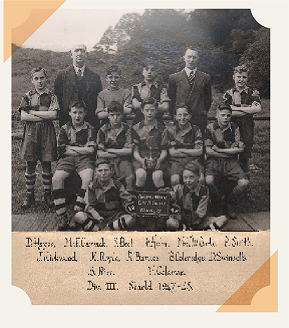
Munich Air Disaster
Munich Air Disaster killed one of Salford's internationally famous sons, Eddie Colman. He played football for Manchester United and before that Salford boys and Lancashire boys. There was a great outpouring of grief in Salford, and a well-attended funeral at Weaste Cemetery.
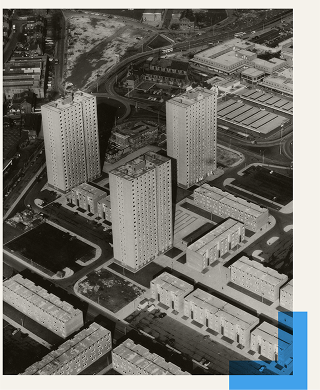
Salford Shopping City
Salford’s first purpose-built shopping precinct opens in Pendleton.
-
1960
Barton High-Level Bridge opens to relieve traffic between Salford and Trafford.
-
1960
The first episode of “Coronation Street” airs in December.
-
1961
The first families who used to live in the Ellor Street area are rehoused in Little Hulton.
-
1961
The film “A Taste of Honey” directed by Tony Richardson based on the 1958 play by Shelagh Delaney, is released.
-
1962
Social housing complex in Kersal – Kersal Flats – is opened.
-
1962
Architects Robert Matthew and Percy Johnson-Marshall are engaged to develop a masterplan for a 12 ½ acre shopping precinct and 2,800 flats.
-
1963
Agecroft Colliery modernisation completed, increasing coal freight movements through Salford.
-
1966
Salford Red Devils install floodlights at The Willows; Alex Murphy leads a golden era.
-
1967
The film “Charlie Bubbles” is released. Starring and directed by Albert Finney.
-
1971
East Is East set in Salford, based on Ayub Khan-Din’s childhood.
-
1974
Salford Red Devils win the Lancashire County Cup.
-
1974
The Municipal Boroughs of Eccles, Swinton and Pendlebury and the Urban Districts of Irlam and Worsley join with Salford to create the newly formed Salford City Council.
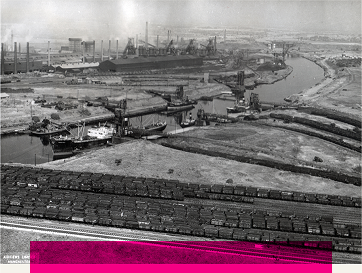
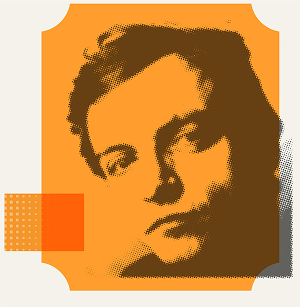
Mark E. Smith
(born 1957) forms post-punk band The Fall, frequently referencing Salford.
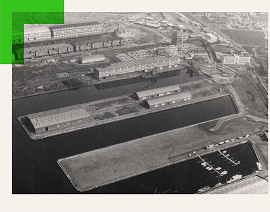
Salford Docks close Regeneration planning begins.
-
1980
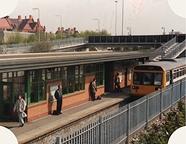
Salford Crescent Railway Station opens (12 May), giving the city a direct rail hub for the first time in decades.
-
1985
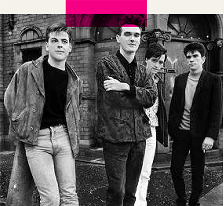
The Smiths perform in Salford; Salford Lads’ Club becomes a cultural landmark.
-
1986
Irlam Linear Park opened.
-
1987
Salford Museum and Art Gallery reopens after major refurbishment.
-
1987
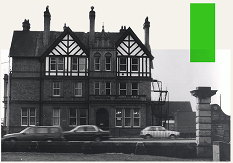
Jubilee House
Formation of Salford’s Working Class Movement Library as a formal public collection at Jubilee House.
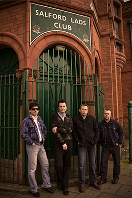
Salford Lads’ Club granted Grade II Listed status. Recognised for its heritage value and cultural significance (especially following The Smiths’ iconic 1985 photoshoot).
Metrolink extension to Eccles approved, connecting Salford more directly to Greater Manchester’s light rail network (opened 1999–2000).
-
1997
Salford becomes a Unitary Authority under local government restructuring, strengthening control over planning, regeneration and local services.
-
1998
Salford Quays Millennium Project funding secured. National Lottery and public funding confirmed for The Lowry and Quays transformation.
-
1999
Metrolink line opens into Salford (Eccles Line Phase 1). First trams run through Salford Quays, reshaping transport for the 2000s.
Salford Quays redevelopment
Major land clearance and infrastructure work accelerates on the former docklands, setting the stage for The Lowry and MediaCityUK.
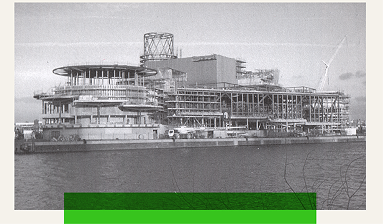
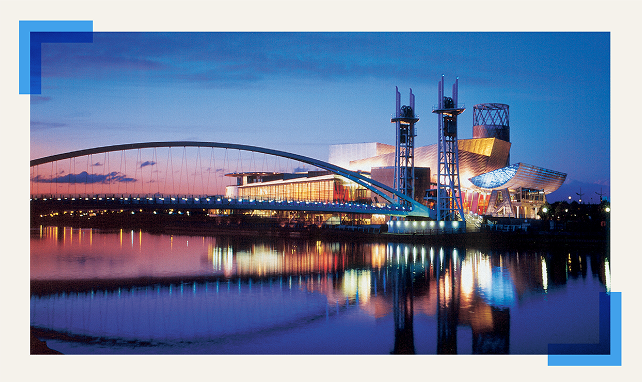
The Lowry opens
Named after L.S. Lowry; becomes one of the UK’s most visited arts centres.
BBC relocates to MediaCityUK
250 Years of Worship
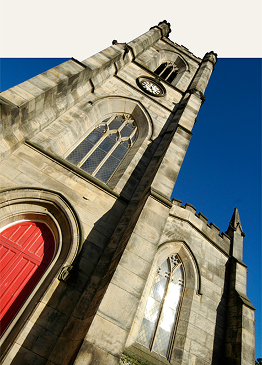
The former St Thomas’s Chapel of Ease (consecrated 1776) marks its 250th anniversary. A commemorative service is planned for Sunday 26 July 2026, with hopes that the Bishop of Manchester will preside.
-
2016
Leigh–Salford–Manchester Busway opens.
-
2020
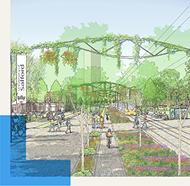
Crescent Masterplan launched.
-
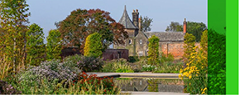
RHS Bridgewater opens.
-
2024
Beckham and Neville consortium takes majority ownership of Salford City FC.
-
2025
Major transport investment begins:
• £21m for Salford Crescent Station • £10m for Salford Central

Your ideas
Want to help celebrate Salford 100?
Got an idea for an event or activity? But need help, advice and financial support to make it happen? Then get in touch.
Your suggestions
What have we missed?
Tell us the significant dates and moments in the city’s history that you think should be added to our history timeline.